
















WetLab Protocols
We keep a maximum transparency and openness in what we do in the laboratory and on our bioinformatics servers. With these efforts, we wish to constantly improve our workflow and build trust in our customers.
To thrive on microbial earth, we need to understand microbes, learn how to co-exist with them, and show respect for each other. Together we can build a greener and more sustainable future under the guard of microbes. At mBio.Works, we are dedicated to sharing our knowledge and experiences. This is our collection of technical docs, microbiology essays, case studies, concept explanations, literature digests, patent notes, social event highlights, lab life snapshots, conference and exhibition summaries, teaching materials, and more, all originally written by our microbes-inspired staff.


We keep a maximum transparency and openness in what we do in the laboratory and on our bioinformatics servers. With these efforts, we wish to constantly improve our workflow and build trust in our customers.

This is a compilation of protocols and methods we use in analyzing the sequencing data of microbial genomes, microbiomes, and amplicons. It covers Linux basics and various bioinformatics pipelines. All protocols are tested in a local Bio-Linux server.

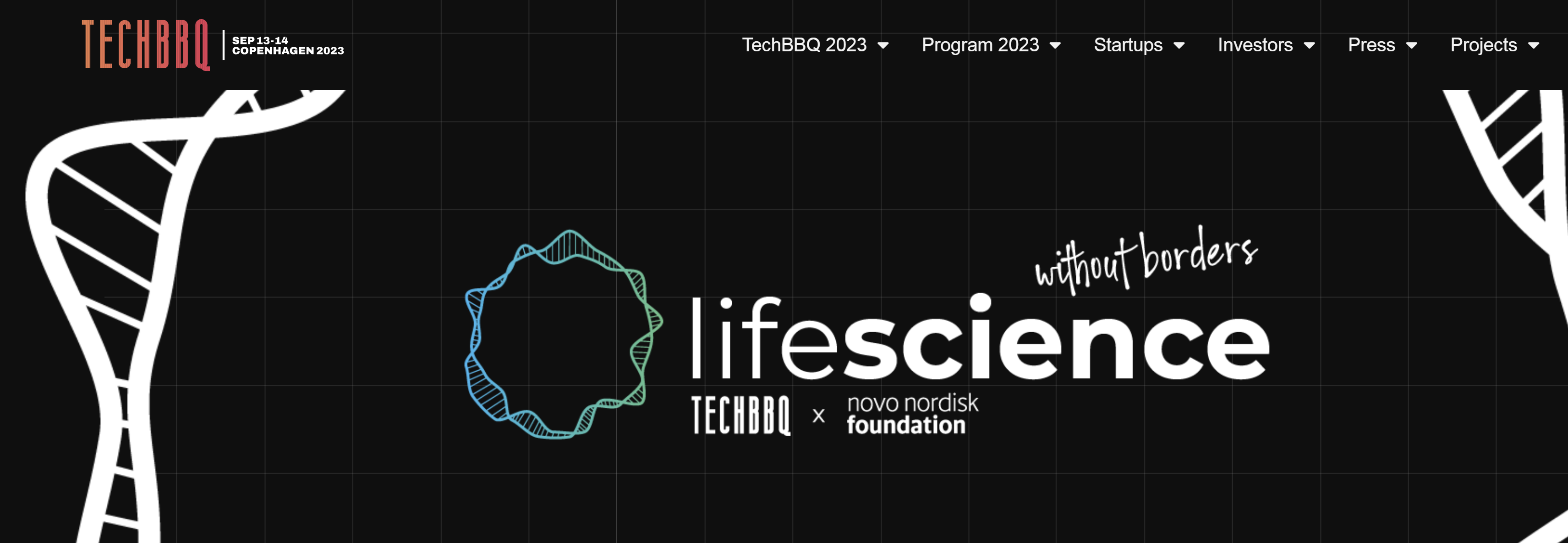
The ten-year old Nordic startup summit TechBBQ for the first time has a session dedicated to life science startups, making it much more exciting and relevant for biotech startups like us mBioWorks. It features inspiring talks and endless networking opportunities.

Spike-ins are known quantities of DNA added to samples before sequencing. They can be used to quantify the total amount of DNA in a sample, normalize the data across samples, and assess the quality of the sequencing data.

We regularly release findings from our R&D and customer-shared data. This curated collection of case studies highlights our expertise and methodologies in handling a diverse range of samples, showcasing our commitment to transparency and excellence.

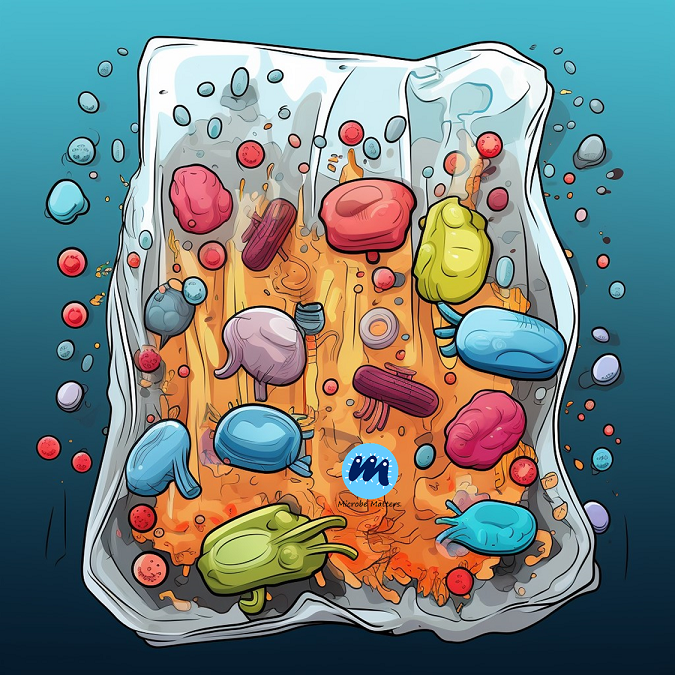
Through 16S metagenomics, we reveal a remarkably high bacterial diversity within the surface biofilms of a commercial drinking water bag after one-year use. Additionally, we introduced an innovative method for collecting biofilm bacterial biomass that adheres strongly to plastic bags.

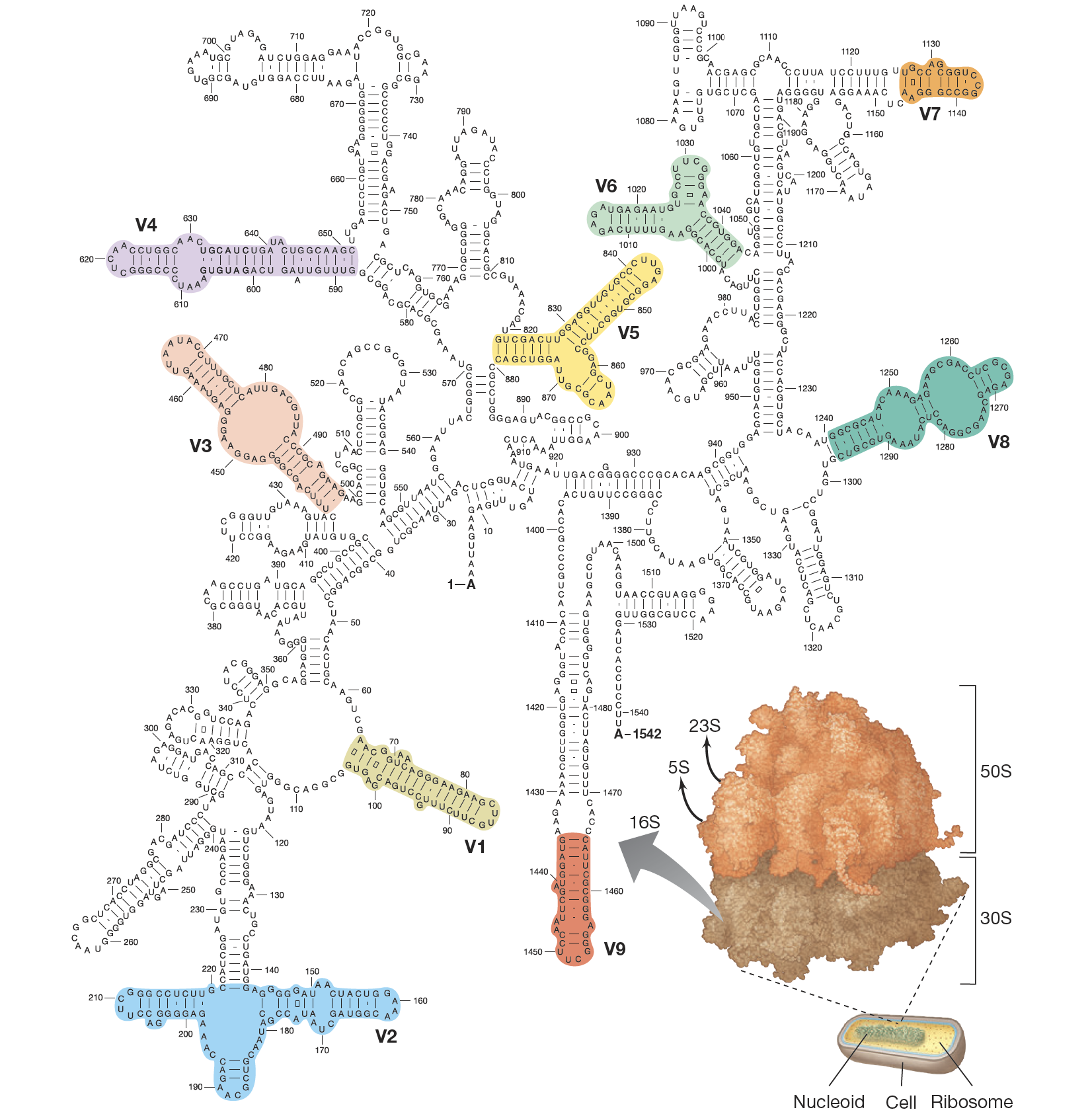
A recent research paper delves into the long-standing dilemma that has perplexed researchers for years when profiling microbial diversity (See original article by Pan et al., 2023. Applied and Environmental Microbiology. 89:5. DOI: https://doi.org/10.1128/aem.02108-22).

A recent research paper demonstrates that multi-coverage binning methods can produce more bins of higher quality than single-coverage binning methods, with a greater proportion of archaea and increased diversity of taxa.

Microbiologist Prof. Adrian Egli from the University of Zurich presented a visionary talk on AI’s potential to advance microbiology at the ECCMID2023 conference in Copenhagen. The audience was inspired to explore AI’s transformative role in understanding microorganisms and their impact.